 Shrimad Astro

Who Is Ketu, Really?
Ask most people to name the troublemaker planets and they’ll say Shani, then Rahu, then stop. Ketu rarely makes the list — which is fitting, because Ketu is the planet of the invisible, the withdrawn, the thing quietly pulling strings in the background.
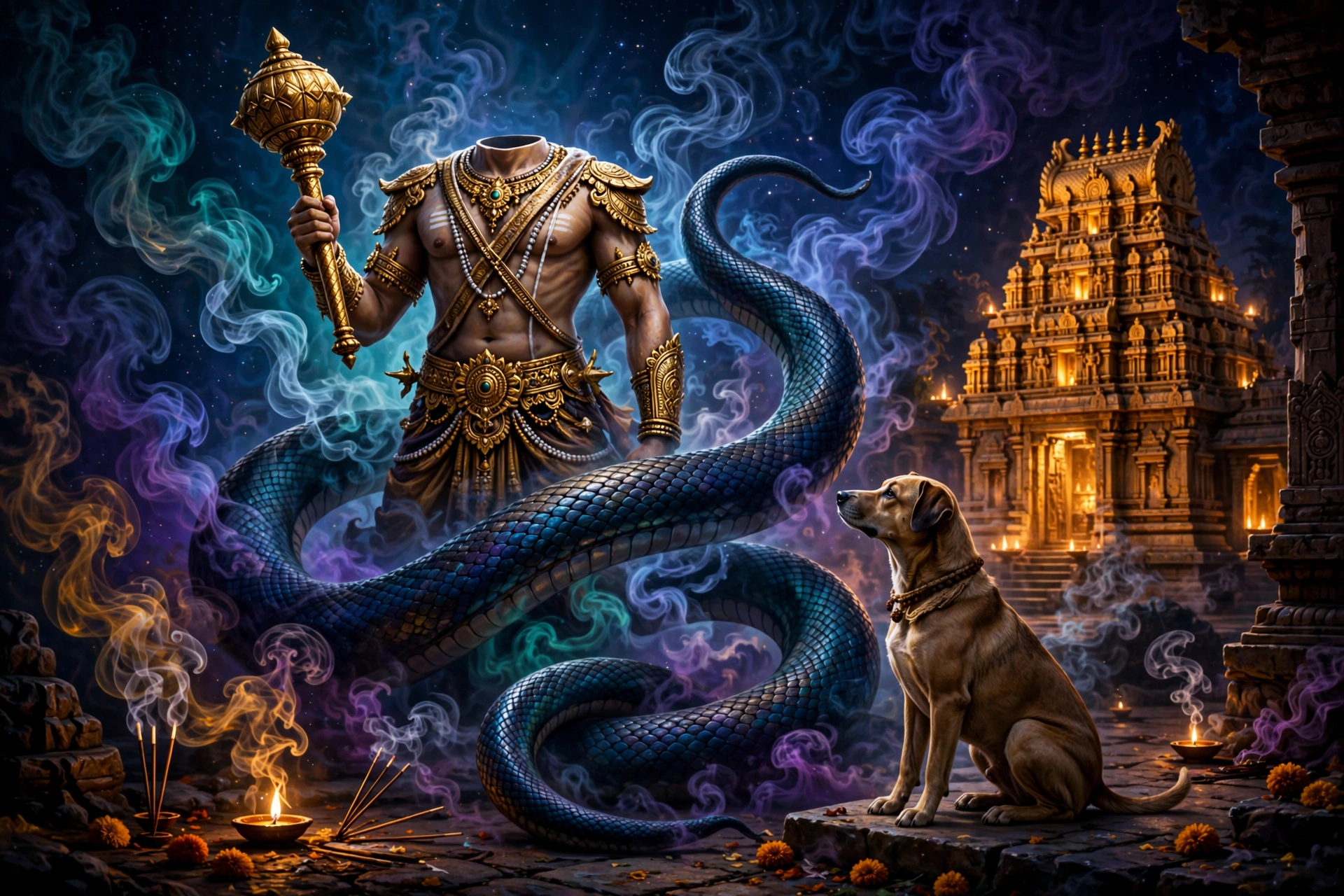
Ketu is a chhaya graha — a shadow planet. In the old story of the Samudra Manthan, the demon who drank the amrit was split in two: his head became Rahu, his headless body became Ketu. Rahu chases the world; Ketu walks away from it. Where Rahu is hunger, Ketu is disinterest. That’s why he’s called the moksha-karaka, the significator of liberation — past-life karma, spiritual insight, occult knowledge, and the strange feeling of being done with things everyone else finds exciting.
There’s nothing “evil” about this. A strong, well-placed Ketu gives intuition that borders on the uncanny and a mind that sees through nonsense. But when Ketu is afflicted — or when you’re running his dasha (Ketu’s mahadasha runs seven years in the Vimshottari system) — that detachment curdles into something less pleasant.
When Detachment Becomes a Problem
Detachment is beautiful when you choose it. It’s miserable when it chooses you. Here’s what a troubled Ketu often looks like in ordinary life:
- Sudden, senseless setbacks. A deal collapses at the last signature, a job falls through after the offer letter. No fault of yours — things just evaporate.
- Loss of interest. The work you loved, the people you loved being around — suddenly it all feels flat, like watching life through a glass window.
- Feeling “cut off.” Relationships fray without any clear quarrel. You stop calling; they stop calling. Nobody knows what happened.
- Restlessness with no object. Anxiety that isn’t about anything, sleeplessness, a mind that won’t settle.
- Health niggles that resist diagnosis. Traditionally, afflicted Ketu is associated with skin allergies, nerve-related discomfort, and sudden small injuries — always worth a real doctor’s visit first, because the body keeps its own counsel.
If two or three of these describe your last year, it’s worth checking Ketu’s placement in your own chart — and if the Rahu-Ketu axis is involved, the Kaal Sarp Dosh checker tells you whether the axis itself is hemmed in. Knowing where Ketu sits changes which remedies matter.
Remedies That Actually Help
Ketu doesn’t respond to grand gestures. He’s the planet of simplicity — small, steady, humble acts work better than one dramatic ritual. Pick two or three and do them consistently.
- Worship Lord Ganesha — Ketu’s presiding deity. This is the single most recommended remedy across classical texts. Offer durva grass tied with red thread, a modak or two, and recite “Om Gam Ganapataye Namah” or the Ganesha Dwadasanama Stotram. If you want the texts themselves, the Sanatan Shastra library carries a full Ganesha stotra collection.
- The Ketu beej mantra. “Om Sram Sreem Sroum Sah Ketave Namah” — 108 times, ideally on Tuesday, which is the day most traditions associate with Ketu. Some pandits suggest working up to 7,000 recitations over forty days during a Ketu dasha; start with the daily 108 and see how it feels. You’ll find this and the other Navagraha mantras in the mantra collection.
- Feed and care for dogs. This is an old, oddly specific Ketu remedy — stray dogs in particular. If feeding them daily isn’t possible, contributing to an animal shelter counts. The logic is classic jyotish: Ketu rules the forgotten, and kindness to the overlooked pleases him.
- Donate Ketu’s things on Tuesdays. Blankets, sesame seeds, multi-coloured or brown cloth — given quietly to the needy. Charity pacifies karmic imbalance better than any talisman.
- Consider a nine-mukhi rudraksha. Classical remedy lists assign the nine-faced bead to Ketu, and the Shiva Panchakshari (“Om Namah Shivaya”) is often prescribed alongside. Run your details through the Rudraksha finder before buying anything — a real bead worn wrong is worse than no bead.
- Impose routine. Ketu hates chaos, and a chaotic life feeds him. Fixed waking time, a tidy puja corner, regular meals — boring, and exactly what an afflicted Ketu needs to hear.
A word about cat’s eye (lehsuniya), Ketu’s gemstone: it is powerful and quick-acting, which is precisely why you should never wear one without a proper chart consultation. Stones are not DIY remedies.
One Honest Thing Nobody Says About Ketu
Here’s what I’d tell a friend over chai: Ketu is the most misunderstood planet in jyotish, and that misunderstanding is profitable for a lot of people. He is not a demon to be bribed off. In many charts he is the planet that saves you — the one that pulls you out of a destructive obsession, ends a relationship you were too scared to leave, or pushes you toward the meditation cushion you’d have never found otherwise.
So treat remedies as tuning, not bribes. The beej mantra, the Ganesha worship, the dogs, the donations — they steady the mind so Ketu’s real gift (clarity without attachment) can come through. If a remedy seller tells you Ketu demands an expensive stone or a costly shanti puja or else, walk away. That’s Rahu’s business, not Ketu’s.
And if you’re simply curious where Ketu is moving right now and what he’s stirring up, the Graha Gochar transit guide tracks the current planetary weather. Ketu rewards the prepared.
FAQs
How long does Ketu Mahadasha last?
Seven years in the Vimshottari dasha system. Its antardashas inside other mahadashas run shorter — a few months to a couple of years depending on the sequence.
Which day is best for Ketu remedies?
Tuesday is the most commonly cited day across classical remedy lists; some traditions also use Saturday. Pick Tuesday and stay consistent.
Can I just wear a cat’s eye to fix a bad Ketu?
Don’t. Lehsuniya is strong and fast-acting and can amplify the wrong things if your chart doesn’t suit it. Mantra, Ganesha worship, and service are the safe first steps — stones come after a real consultation.